
What to Expect: the 2026 Short Legislative Session
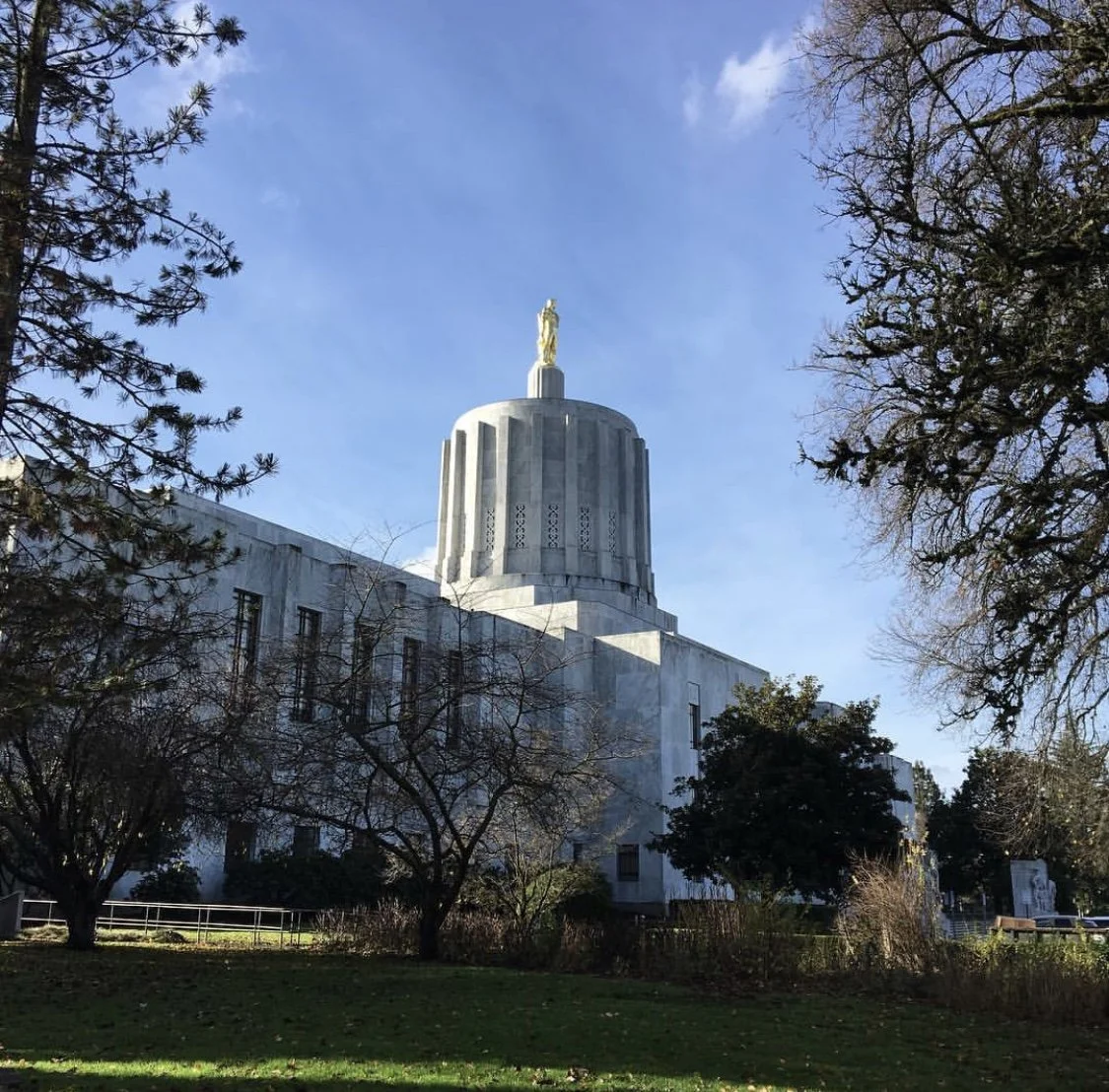
The 2026 Legislative Session will begin on Monday, February 2, 2026 at the State Capitol, which is fully open for business after a years-long renovation project. Legislative sessions in even years can last up to 35 days and are generally referred to as “short session.” Unlike in the odd-year long session, the number of bills is capped at two per legislator, along with bills for committees and presiding officers. That means that both the timeline and the to-do list are shorter for legislators, but short sessions are always jam-packed anyway.
This year, the big picture at the Legislature is mostly dominated by the state budget. After the passage of the federal HR 1 last summer, the state budget must adjust to both lower tax revenue in the short term and fewer federal dollars to support health care and human services in the longer term. The next revenue forecast from the State Economist will be released on Wednesday, February 4, and that forecast will set the table for session. The last forecast showed a shortfall in the current 2-year budget of $63 million. The forecast released on February 4 could show a greater shortfall, or perhaps none at all.
Regardless, because of that long-term loss of federal funding, the state budget is tight and it’s unlikely that many - or any - bills with a price tag will pass this session. Instead, legislators are leaning in on other ways to fund new work that they deem important. In the energy sector, for example, at least two bills would direct the Oregon Department of Energy to seek grant funding to carry out new work; the funding would go toward a study on nuclear energy sited in Oregon (HB 4046) or start-up costs for clean energy finance nonprofit (SB 1526). Another concept would direct utilities to set up “inclusive utility investments” that would fund energy efficiency projects while preventing bill increases (SB 1588); the pursuit of this new model of funding energy efficiency projects follows an end to state funding for several incentive programs.
Other energy issues expected to come up in the short session include consumer protection in the solar industry (HB 4029), energy facility siting (HB 4031), fuel storage (HB 4032 and 4100), and concepts that would promote newer energy technologies such as virtual power plants (SB 1582), industrial symbiosis (HB 4086), and plug-in solar (HB 4080). Some broader legislation on issues like permitting (such as HB 4084 and HB 4020), wildfire (such as HB 4077), climate adaptation (SB 1541), and transportation (such as HB 4125) would also affect the energy sector.
The Oregon Department of Energy does not have a position on most legislation. ODOE staff will track bills that could lead to new or changed work for the agency, as well as bills that relate to our work, and issue a legislative report on those bills after session. You can see past reports here: State of Oregon: ABOUT US - Legislative Sessions.