
Eugene Adopts New Home Energy Scoring Policy
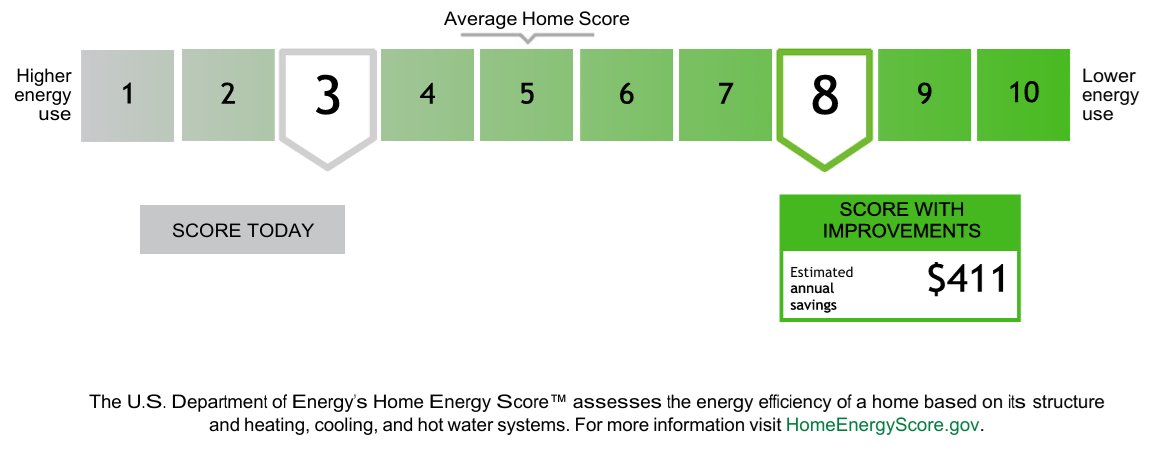
See a sample Home Energy Score on the U.S. DOE website.
In October, Eugene became the fifth city in Oregon to adopt a mandatory home energy scoring policy, joining Portland, Milwaukie, Hillsboro, and Bend. Home energy scores provide a standardized way to assess and measure a home’s energy performance, alongside recommendations for potential improvements that can increase comfort and lower energy bills.
Eugene’s City Council voted to adopt its new home energy scoring policy, called the Residential Energy Performance Disclosure Requirement, on October 28, 2026. It will go into effect in spring 2027. Among the five cities now with mandatory home energy scoring, more than 1 million Oregonians live in communities that will provide important energy information for potential homebuyers. The cost of receiving a home energy score has remained consistent over several years, ranging from about $150 to $250 per home.
In 2013, the Oregon Legislature passed HB 2801, which directed the Oregon Department of Energy to adopt, by administrative rule, a home energy performance score system to evaluate energy conservation and efficiency in homes. ODOE created a Home Energy Performance Score Stakeholder Panel the following year to discuss which home energy scoring systems should be approved for use in the state, and the agency filed its administrative rules in July 2014. In 2019, ODOE selected Earth Advantage to serve as the statewide implementer for the state’s home energy scoring system.
Over a decade after HB 2801 passed, home energy scores in Oregon are going strong. In 2019, ODOE earned an Innovation Award from the U.S. DOE for implementing creative strategies to support home energy scoring programs. In 2024, ODOE was recognized again by U.S. DOE with a Home Energy Score Partner Award, recognizing the agency for “steadfast efforts to bring Home Energy Scores to Oregon residents.” To date, statewide Home Energy Score programs have resulted in more than 65,000 scores generated, helping homeowners and prospective homebuyers around the state make informed investment decisions.
Home affordability is a key objective of the Home Energy Score program. By providing homeowners with actionable information about energy efficiency upgrades and their expected payback periods, the program helps guide cost-effective investment decisions. These improvements reduce ongoing utility expenses, benefiting current and future homeowners by lowering the overall cost of homeownership once upgrades are completed. Research indicates that homes receiving assessments and taking actions to improve their scores can drop their energy bills. For example, improving scores by an average of 1.1 points can lead to annual energy bills savings of more than $200.
Oregon cities, like Eugene, can use the scoring framework developed by ODOE to design and implement their own local home energy scoring ordinances. Moving forward, ODOE will continue to focus efforts on supporting more Oregon cities looking to adopt mandatory programs, as well as strengthening energy scoring opportunities for rental properties across the state.
The Oregon Energy Strategy identifies energy efficiency as one of the pathways needed to meet the state’s energy and climate goals, while maintaining reliability and affordability. One focus of the energy efficiency pathway is to deliver energy efficiency and conservation improvements in existing and new residential and small commercial buildings. Policies like home energy scoring can support this important pathway.